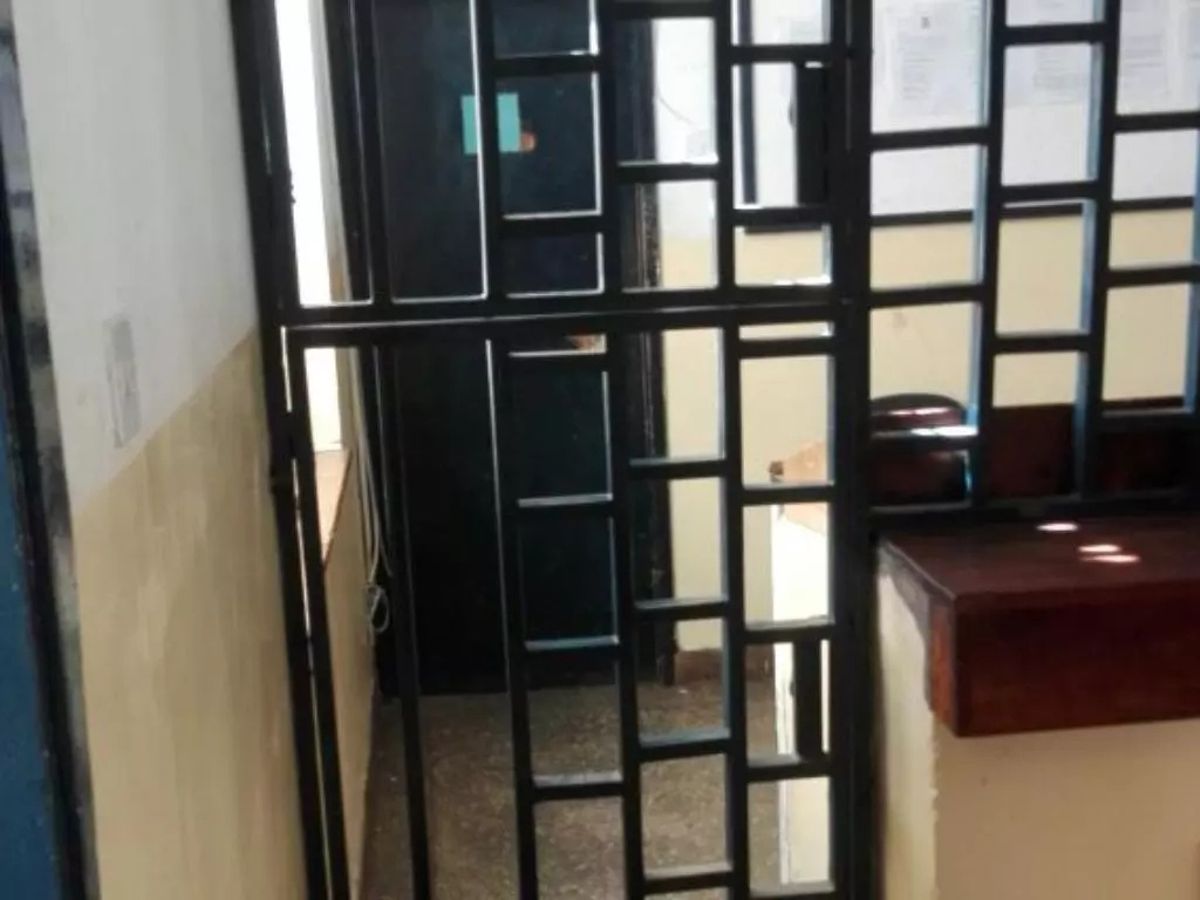
Shadows Over Muthaiga: IPOA Probes the Fatal Custody of Erick Otieno
The Independent Policing Oversight Authority (IPOA) has formally launched a high-stakes investigation into the death of Erick Otieno, a young man who died under mysterious circumstances shortly after being detained at the Muthaiga Police Station, sparking a national conversation on police accountability and the sanctity of the cellblock.
In the complex theater of Kenyan justice, the truth often behaves like a matatu in traffic—it takes the long way around and only arrives when everyone has stopped checking their watches.
NAIROBI — The heavy gates of Muthaiga Police Station, an installation often associated with high-profile detainees and the elite suburbs of the capital, are currently at the center of a brewing storm. The death of Erick Otieno, a man whose life ended within hours of his encounter with the law, has once again thrust the National Police Service (NPS) into the uncomfortable glare of public scrutiny. On Wednesday, the Independent Policing Oversight Authority (IPOA) confirmed it had taken over the case, signaling a move away from internal police inquiries toward an independent forensic audit of the events leading to Otieno’s demise. Erick Otieno was arrested on the evening of what seemed a standard patrol operation. According to preliminary reports, he was taken into custody following an undisclosed disturbance, processed at the desk, and placed in the holding cells. By dawn, however, the narrative shifted from a routine arrest to a tragic fatality. Police reports suggest that Otieno was found unresponsive during a morning inspection, but for the family and human rights advocates, the timeline remains blurred by inconsistencies and a lack of immediate transparency. The National Police Service, through its spokesperson, issued a terse statement on Friday urging the public to remain calm. 'We are aware of the unfortunate incident involving the death of a suspect in custody at Muthaiga. The matter has been handed over to IPOA to ensure an impartial investigation. We urge the public to refrain from speculation as we wait for the post-mortem results,' the statement read. While the call for calm is standard protocol, it has done little to soothe the nerves of a populace still reeling from previous allegations of extrajudicial killings and custodial neglect. IPOA’s intervention is mandated under Section 25 of the IPOA Act, which requires the authority to investigate any death or serious injury occurring in police custody. Investigators have already reportedly visited the station, cordoned off the cell where Otieno was held, and begun the process of retrieving CCTV footage—though reports remain unconfirmed as to whether the cameras covering the cell area were operational at the time of the incident. The authority is also expected to interview the 'cell-mates' who were present during Otieno’s final hours, as well as the officers on duty during the night shift. In the streets of Nairobi and across digital platforms, the hashtag #JusticeForErickOtieno has gained significant traction. For many Kenyans, Otieno represents a demographic most vulnerable to the vagaries of rogue policing. Activists argue that Muthaiga, despite its 'uptown' reputation, is not immune to the systemic issues plaguing the force. The Kenya National Commission on Human Rights (KNCHR) has also expressed interest in the case, noting that the 'right to life is non-negotiable, even when one is behind bars.' Family members, gathered at the City Mortuary, described Otieno as a law-abiding citizen with no known underlying health conditions. 'He left home healthy. He was arrested for a minor disagreement. How does a healthy man die in a police cell within six hours?' asked a relative, who requested anonymity for fear of reprisal. The family’s legal representative has signaled intentions to hire an independent pathologist to witness the autopsy, a move increasingly common in Kenya to prevent the 'whitewashing' of forensic evidence. The political fallout of this incident cannot be understated. Coming at a time when the government is under pressure to reform the security sector following the Gen Z-led protests earlier this year, Otieno’s death serves as a litmus test for the state’s commitment to the rule of law. Members of Parliament from the opposition have already called for the interdiction of the Muthaiga Station Commander (OCS) to pave the way for a 'clean' investigation. Historically, the path to justice in custodial death cases in Kenya has been long and arduous. While IPOA has secured convictions in the past—most notably in the cases involving the 'Willie Kimani' trial and the 'Kianjokoma brothers'—the pace of justice remains a sticking point. Legal experts point out that the burden of proof in custodial deaths often rests on the ability to prove 'command responsibility' or direct physical assault, both of which are difficult to establish when the only witnesses are fellow officers. As the investigation unfolds, the focus remains on the post-mortem report. The findings of the government pathologist, contrasted with those of the family’s representative, will likely determine whether Otieno’s death was the result of natural causes, medical neglect, or physical trauma. Until then, the cells of Muthaiga remain silent, holding the secrets of a night that cost a young man his life and put a national institution back on trial. In the broader context of Kenyan politics, this case adds to a growing dossier of incidents that challenge the narrative of a 'transformed' police service. With the NPS urging calm and IPOA promising a thorough probe, the eyes of the nation are fixed on the outcome. For Erick Otieno, justice may be delayed, but the public's demand for it has never been louder. The coming weeks will reveal whether this will be a landmark case for accountability or another entry in the ledger of unresolved custodial mysteries.